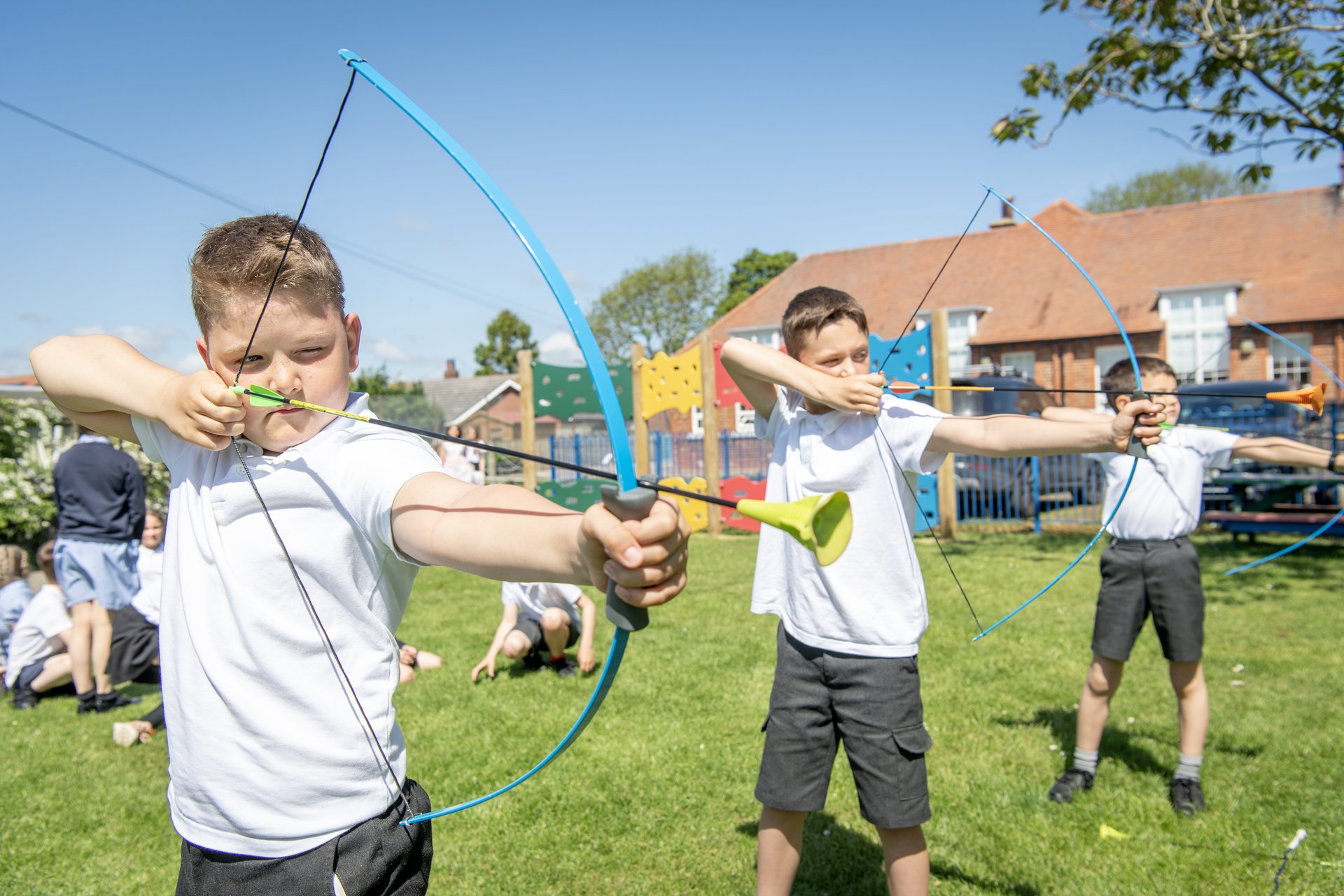


SCIENCE
Our Science subject lead is Mrs Crooks

INTENT
North Frodingham Primary School endeavours to deliver a high-quality science education:
The aim of our Science teaching is to enable children to:
- be observant, curious and caring about the environment.
- see Science as an enjoyable and exciting subject.
- build strong foundations in biology, chemistry and physics;
- work individually and cooperatively, listening to, questioning and valuing, the opinions of others.
- work scientifically and use a variety of enquiry types.
- build upon previously learnt scientific vocabulary and knowledge.
- To highlight and celebrate careers in Science.
IMPLEMENTATION
Science is a core subject in the National Curriculum. Science lessons are taught using, ‘Kapow’, from the EYFS to Year 6. This covers all areas of the National Curriculum Science Programmes of Study and the key features of Scientific Enquiry. Kapow Primary’s Science scheme incorporates a spiral curriculum model, ensuring that children revisit and develop their understanding of key themes and concepts as they progress through the curriculum. This approach allows them to make meaningful connections, reinforce their learning and achieve mastery over time. Each year group also has access to regular, ‘Outdoor learning’, sessions with a specialist teacher. Science week is celebrated each year and the curriculum is enhanced further through a range of educational trips, visitors including STEM Ambassadors, theatre companies and use of our local area.
Curriculum planning is completed in three phases (long, medium and short term). As we have mixed age classes we have adopted a two-year rolling programme to ensure we offer the complete coverage of the National Curriculum without repeating topics. Science Vocabulary has been mapped for each stage (EYFS, KS1, LKS2, UKS2)
The long-term plan maps the scientific topics studied at each term during the two years. Our medium-term plan shows the objectives for the topic being studied for the term. The short-term plans, including Termly Plans, show the specific learning objectives, outcomes and differentiation links for each lesson. Success criteria are always made clear through the Learning Objectives. The use of ‘Explorify’, is strongly recommended as an effective Intervention tool for both less able and more able scientists and to encourage Scientific thinking and talking. The class teacher is responsible for organising the curriculum for their class, the Science subject leader will monitor the long-term, medium-term plans and Learning Objective Reviews, for each class to ensure coverage.
IMPACT
Through our Science curriculum all our pupils develop scientific knowledge and conceptual understanding of biology, chemistry and physics. All pupils develop an understanding of the nature, processes and methods of science through the different types of scientific enquiry. Our pupils are able to, ‘think’, and, ‘talk’, about Science and in UKS2, ‘support’, or, ‘refute’ Scientific ideas and arguments. The STEM committee ensures that children can also apply their mathematical and technological skills to their understanding of science. Outcomes for each child are recorded at the end of a unit of work and regularly throughout the year and analysed for next steps. Pupils report that they, ‘have fun and learn’, in Science, that they, ‘enjoy doing research and finding things out for themselves’, and that they, ‘love to find out about and look after real animals’. (Pupil Voice 2025)

We are very proud to have been awarded the Primary Science Quality Mark (PSQM) which is awarded to schools to celebrate their commitment to excellence in science leadership, teaching and learning.
EARLY YEARS
In the Early Years Foundation Unit, the following applies to the children’s learning:
Understanding The World
This involves guiding children to make sense of their physical world and their community. The frequency and range of children’s personal experiences increases their knowledge and sense of the world around them – from visiting parks, libraries and museums to meeting important members of society such as police officers, nurses and firefighters. In addition, listening to a broad selection of stories, non-fiction, rhymes and poems will foster their understanding of our culturally, socially, technologically and ecologically diverse world. As well as building important knowledge, this extends their familiarity with words that support understanding across domains. Enriching and widening children’s vocabulary will support later reading comprehension.
ELG: The Natural World
Explore the natural world around them, making observations and drawing pictures of animals and plants;
Know some similarities and differences between the natural world around them and contrasting environments, drawing on their experiences and what has been read in class;
Understand some important processes and changes in the natural world around them, including the seasons and changing states of matter.
Working Scientifically Skills - Characteristics of Effective Learning
Engagement - Playing and Exploring
Motivation - Active Learning
Thinking - Creative and Critical Thinking


EYFS Autumn Term Science


UKS2 Levers and Catapults


UKS2 Light Experiments


KS1 Materials


LKS2 Rocks

Workshop with JP Developers
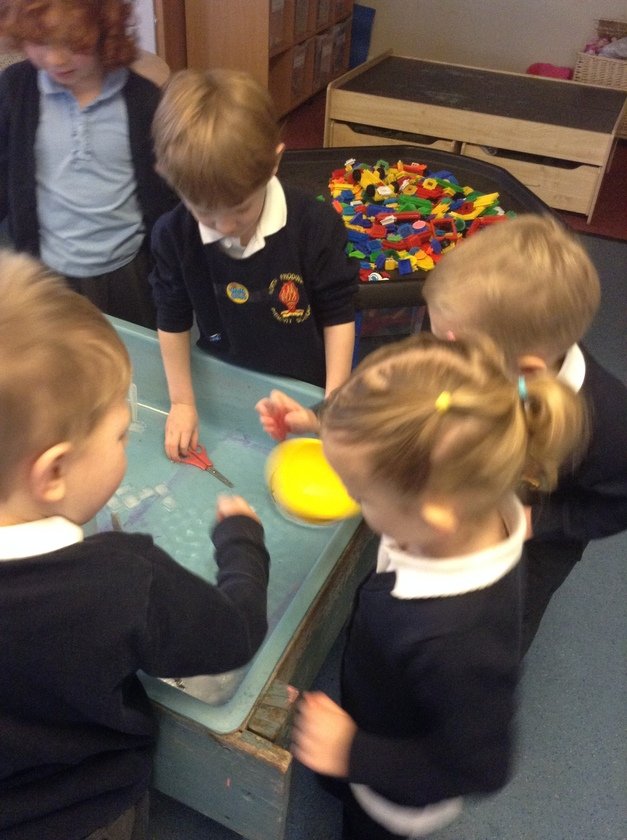
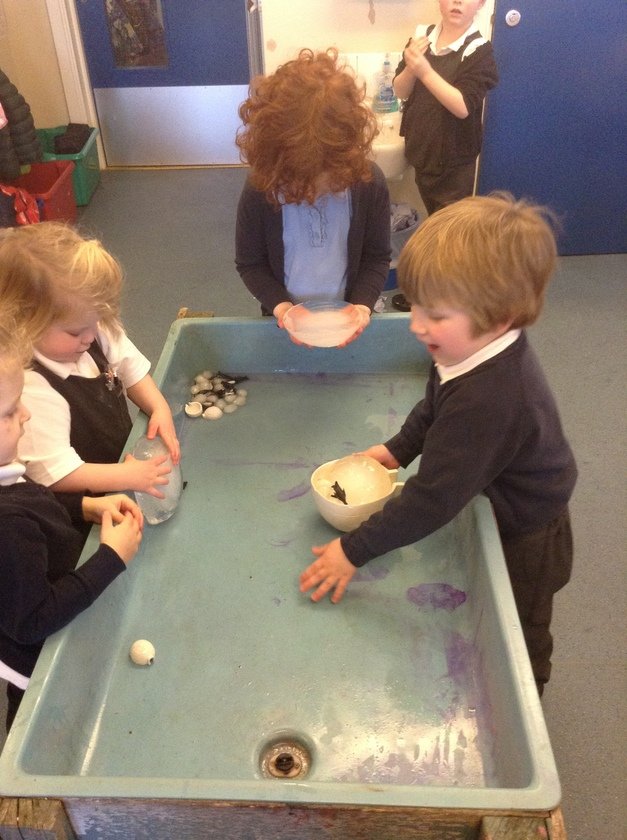


EYFS Ice experiments


KS1 Woodlouse Experiment 2026


LKS2 Forces


UKS2 Wind Powered Pulleys


UKS2 Northern Gas Workshop: Greenhouse Gas Experiment
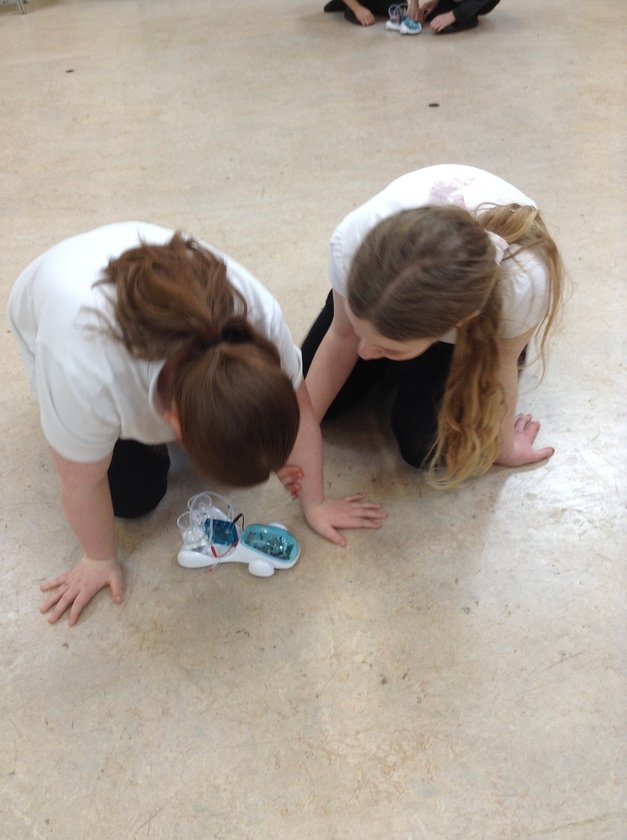
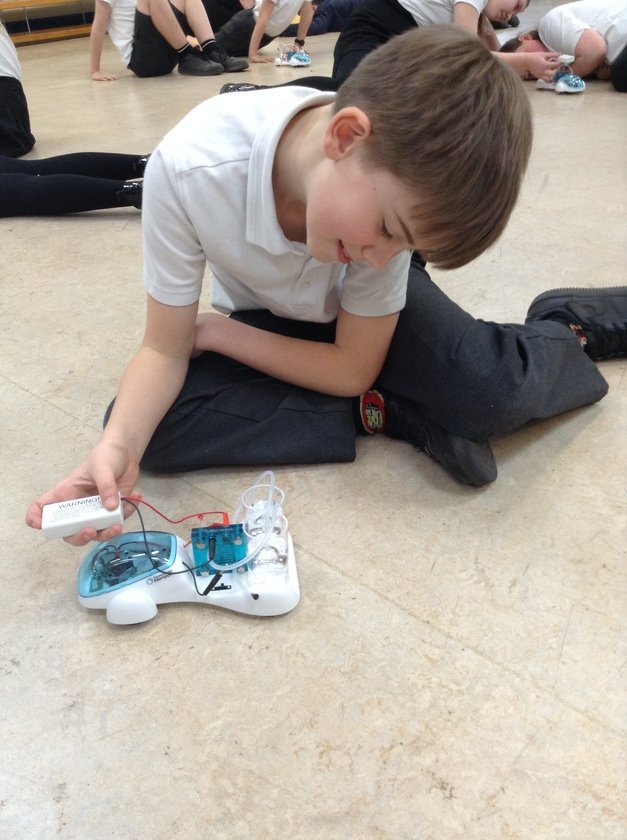


Science Week 2025
Imaging Partners workshop


KS1 Global Warming Workshop


UKS2 Science Week 2026


EYFS Science Week 2026


KS1 Northern Gas Workshop. Global Warming with Dave Rockett 2026


UKS2 Air Resistance and Paper Planes


UKS2 Light - Periscopes


LKS2 Leaf Classification

Our school's chicks
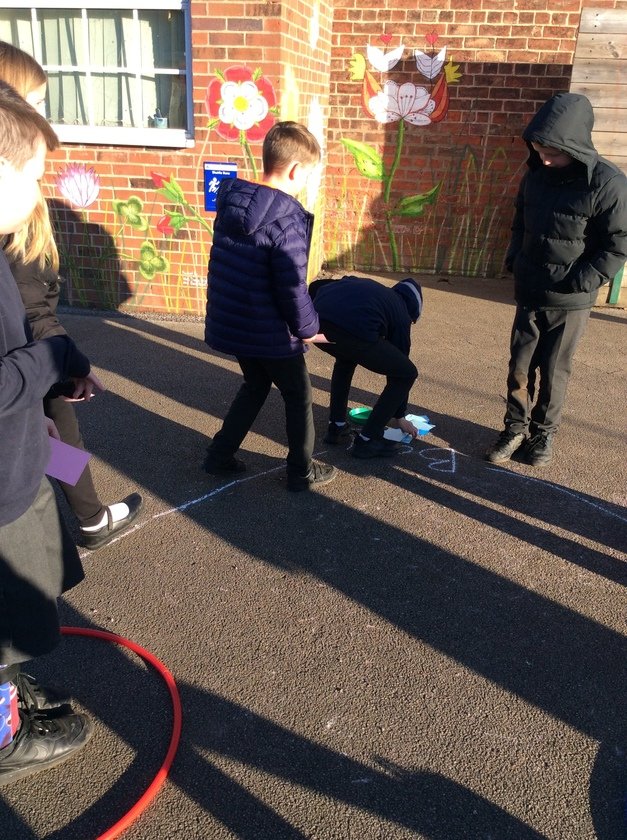
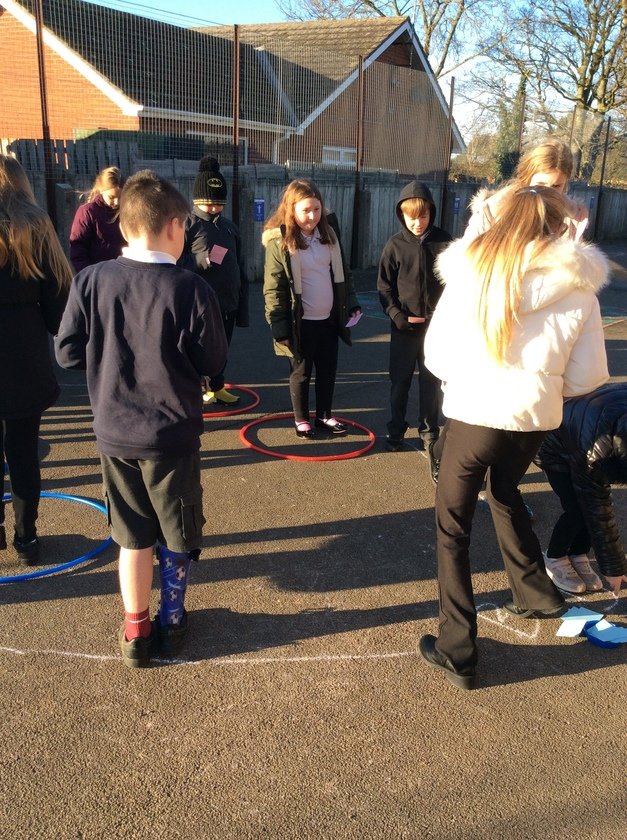


UKS2 Circulatory system


UKS2 Carl Linnaeus science